
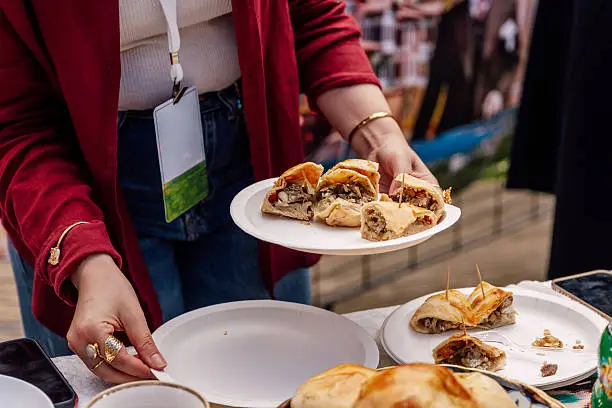
Piçada is not just a dish; it’s an experience that brings people together. Rooted deeply in cultural traditions, this savory delight has captured the hearts and palates of many. Imagine savoring a warm slice filled with rich flavors while surrounded by friends and family, sharing stories and laughter. This vibrant culinary creation transcends mere sustenance—it’s about community spirit and heritage.
As we embark on this flavorful journey, let’s explore what makes Piçada significant beyond its delicious taste. From its historical roots to the ingredients that define it, every aspect contributes to its charm. Join us as we dive into the world of Piçada and discover how it connects communities across regions!
History of Piçada: Origins and evolution of the dish
The history of Piçada is as rich and diverse as the dish itself. Originating in rural communities, it began as a simple meal for farmers and laborers. The combination of locally sourced ingredients made it practical and nourishing.
Over time, its popularity spread beyond agricultural circles. As families gathered to share this hearty fare, Piçada transformed into a symbol of communal ties. Each region embraced it with unique twists, adding local spices or flavors that reflected their culture.
In various parts of the world today, you’ll find adaptations that showcase creativity while honoring traditional roots. Festivals celebrate these variations where people come together to savor not just food but shared stories and laughter.
This evolution highlights how Piçada has grown from humble beginnings to become an emblem of community spirit—a delightful reminder that food can unite us all across generations and borders.
Ingredients and Preparation: A breakdown of the key components
The heart of Piçada lies in its fresh and simple ingredients. At the core, you’ll find a base of dough made from flour, water, salt, and yeast. This mixture is kneaded until smooth and left to rise, creating a delightful texture.
Toppings elevate Piçada into an art form. Traditional choices often include rich tomato sauce or local cheeses that melt beautifully. Fresh vegetables add color and crunch—think bell peppers, onions, or olives for that extra zing.
Herbs are crucial too; oregano and basil bring aromatic depth to each bite. For those who crave protein, options like cured meats or grilled chicken can make the dish even more satisfying.
Preparation varies across regions but typically involves shaping the dough into flat rounds before layering on toppings. After baking until golden brown, it emerges as a tantalizing masterpiece ready to be shared with friends and family.
Regional Variations: How different communities have adapted the dish
Across various regions, Piçada has taken on unique identities that reflect local cultures and traditions. In the coastal areas, seafood takes center stage. Fresh fish or shrimp are often grilled and incorporated into the dish, adding a delightful oceanic flavor.
In contrast, mountainous communities favor heartier ingredients. Here, you might find wild game meat like venison or boar making its way onto the Piçada. These variations highlight not just culinary preferences but also the resources available to each community.
Some places even add indigenous spices or herbs native to their region. This creative infusion transforms Piçada into a canvas for local flavors.
Vegetarian versions have also emerged in urban centers where plant-based diets thrive. Grilled vegetables topped with rich sauces offer an enticing alternative that maintains the essence of this beloved dish while catering to health-conscious eaters.
Community Involvement: The role of Piçada in bringing people together
Piçada serves as more than just a dish; it’s a catalyst for community bonding. Gatherings centered around this savory delight create an atmosphere of warmth and connection.
Families come together in kitchens, sharing recipes passed down through generations. Friends gather at local festivals, where the aroma of sizzling piçadas fills the air, inviting everyone to join in.
These events foster conversations and laughter. Neighbors become friends over plates filled with delicious toppings and crispy bases. The act of preparing and enjoying piçada strengthens ties within communities.
Cultural pride shines during celebrations that spotlight this traditional food. Local artisans showcase their skills while live music sets the tone for joyful gatherings.
In essence, piçada is not merely about taste; it’s about shared experiences that weave people closer together, creating lasting memories steeped in flavor and fellowship.
Health Benefits: Nutritional value and potential health benefits of Piçada
Piçada is not just a treat for the taste buds; it also offers various health benefits. Made primarily from wholesome ingredients, this dish can be rich in nutrients.
The base often includes fresh vegetables like tomatoes and bell peppers. These are packed with vitamins A and C, contributing to immune support and skin health.
Additionally, if piçada features proteins such as chicken or beans, it becomes an excellent source of essential amino acids. This helps in muscle repair and overall body function.
The use of local herbs adds flavor while providing anti-inflammatory properties. Ingredients like garlic can boost heart health too.
Moreover, being a communal meal encourages sharing and bonding among friends and family. Enjoying piçada together promotes mental well-being through social interaction.
Conclusion
Piçada is more than just a dish; it represents the heart and soul of community life. Its rich history showcases how food can evolve while still honoring tradition. With each bite, you taste the unique ingredients that vary from region to region, reflecting local culture and creativity.
The preparation of Piçada serves as a gathering point for families and friends, reinforcing bonds through shared culinary experiences. It’s no wonder this dish has become synonymous with togetherness and celebration in many communities.
Moreover, whether enjoyed at a festive occasion or on an ordinary day, Piçada brings joy not only through its savory flavors but also by offering nutritional benefits that contribute to overall well-being.
As we indulge in this remarkable dish, we embrace both its culinary excellence and the spirit of unity it fosters among those who share it. Enjoying Piçada is truly an invitation to partake in something greater—a cultural journey woven into every delicious morsel.