
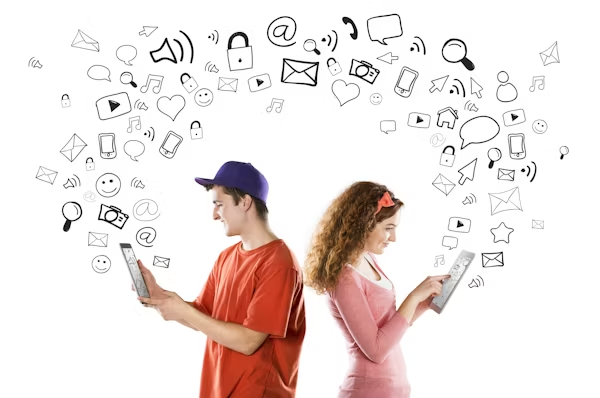
In our fast-paced digital world, the way we communicate has evolved dramatically. Gone are the days of handwritten letters and long-distance phone calls that required careful planning. Today, technology reigns supreme in how we connect with one another. But while this shift brings numerous advantages, it also comes with its own set of challenges—enter Misned, or misdemeanor in communication.
As we navigate through texts, social media posts, and video chats, it’s crucial to recognize both the benefits and drawbacks that accompany these changes. Let’s explore how technology shapes our interactions and what it means for our relationships in an increasingly connected yet paradoxically isolated society.
How technology has changed the way we communicate
Technology has revolutionized communication in ways we never imagined. Gone are the days of relying solely on handwritten letters or landline calls. Today, a simple text message can bridge distances instantly.
The rise of social media platforms has introduced new channels for exchanging thoughts and ideas. We can share our lives through photos and videos with just a click, keeping friends updated regardless of geographical barriers.
Moreover, real-time video chat has transformed how we maintain relationships. Face-to-face conversations happen from anywhere—be it across towns or continents.
Yet, while technology enhances convenience, it also presents challenges. The rapid pace of digital interaction sometimes overshadows deeper connections that come from genuine conversations. This shift invites us to reflect on what authentic communication means in an age dominated by screens and notifications.
Positive effects of technology on communication
Technology has revolutionized how we connect with one another. With just a few taps on our devices, we’re able to reach out to friends and family across the globe.
The speed at which information travels is remarkable. Messages that once took days can now be sent in an instant. This immediacy fosters timely conversations, allowing us to stay updated and engaged.
Convenience plays a significant role too. We can communicate anytime, anywhere—be it through texts, video calls, or social media platforms. Our busy lives benefit from this flexibility.
Enhanced connectivity allows for stronger relationships. No longer limited by geography, we can maintain bonds despite physical distance. Whether it’s sharing life updates or simply checking in, technology keeps us close.
Global accessibility opens up opportunities for diverse interactions. People from different cultures share ideas and experiences like never before—a beautiful tapestry of human connection woven through tech.
Increased speed and convenience
Technology has revolutionized the speed at which we communicate. A message that once took days or weeks can now be sent in an instant. Just a few taps on our devices, and we’re connected.
Convenience is another game-changer. We no longer need to sit down with a pen and paper to write letters or even pick up a phone for a quick chat. Texting, emailing, and social media allow us to share thoughts instantly from virtually anywhere.
This immediacy makes coordination effortless. Whether arranging plans with friends or collaborating on work projects, technology streamlines communication like never before.
However, this rapid pace comes with its own set of challenges that can lead to Misned if not managed properly. Balancing speedy exchanges while maintaining meaningful conversations remains essential for healthy interactions.
Enhanced connectivity
Enhanced connectivity is one of the most profound shifts brought on by technology. Social media platforms allow us to stay in touch with friends and family, no matter where they are in the world.
With just a click, we can share life updates, photos, or even simple thoughts. This instant communication fosters relationships that might have otherwise faded over time.
Moreover, professional networking has never been easier. Platforms like LinkedIn enable individuals to connect with industry leaders and potential collaborators across borders.
Video calls bridge geographical gaps too. They create a sense of presence that text messages simply cannot replicate.
As we embrace this enhanced connectivity, it reshapes how we interact daily—making our lives richer yet presenting new challenges in maintaining meaningful connections amidst constant distractions.
Global reach and accessibility
Technology has transformed communication, erasing geographical boundaries. Today, reaching someone across the globe takes mere seconds.
Social media platforms and messaging apps facilitate instant connections. A simple click can bridge distances that once felt insurmountable. This accessibility fosters relationships among people from diverse cultures.
Businesses also reap these benefits. They can interact with clients worldwide without incurring hefty travel costs. Virtual meetings allow teams to collaborate seamlessly, no matter where they are located.
However, this global reach comes with its challenges too. Misunderstandings may arise due to language barriers or cultural differences. Yet, the potential for cross-cultural exchange enriches our lives in countless ways.
As we navigate this interconnected world, embracing technology’s advantages while remaining mindful of its complexities is crucial for meaningful interactions.
Negative effects of technology on communication
While technology has revolutionized communication, it also brings notable downsides. One significant issue is the decline in face-to-face interactions. People often choose texting or messaging over meeting in person, leading to a lack of personal connection.
This shift can impair social skills. Individuals may struggle with reading body language and tone when relying solely on digital platforms. Texting lacks nuance, making misunderstandings more common.
Moreover, privacy concerns loom large in our tech-driven world. Sharing thoughts online exposes individuals to risks they might not fully grasp. The fear of being misrepresented or having private conversations leaked creates anxiety around open dialogue.
These negative impacts highlight the complexities of our modern communication landscape. It’s essential to recognize and address them for healthier interactions moving forward.
Decreased face-to-face interaction
As technology advances, face-to-face interaction diminishes. People often prefer texting or emailing over making a phone call or meeting in person. This shift can lead to misunderstandings and miscommunication.
Without physical presence, non-verbal cues are lost. Tone of voice and body language play crucial roles in effective communication. Relying solely on screens removes these important elements from our conversations.
Social gatherings have also changed dramatically. Friends may sit together but engage with their devices instead of each other. The warmth of human connection gets overshadowed by the glow of a smartphone screen.
This trend can create feelings of loneliness and isolation, even among those surrounded by others. As we become more connected digitally, we risk losing the authentic connections that come from genuine interactions.
Impaired social skills
In the digital age, communication often occurs through screens rather than face-to-face interactions. This shift can lead to impaired social skills.
When people rely heavily on texts or chats, they miss out on vital non-verbal cues such as body language and tone of voice. These elements are crucial for understanding emotions and intentions.
As a result, many individuals find it challenging to engage in real-life conversations. They may struggle with reading social situations or responding appropriately.
Young people especially feel this impact, growing up in an environment dominated by technology. Their comfort lies within online platforms but falters when faced with direct human interaction.
The art of conversation is at risk of becoming obsolete if we don’t make conscious efforts to connect offline too. This phenomenon illustrates just one aspect of Misned—how modern communication tools reshape our interpersonal dynamics.
Privacy concerns
As technology evolves, so do the methods by which our personal data is collected. Social media platforms and messaging apps often gather information beyond what users might expect. This raises significant privacy concerns.
Many individuals unknowingly share intimate details about their lives online. These insights can be exploited in ways that compromise privacy and security. Cybercriminals are always on the lookout for vulnerabilities to exploit.
Moreover, companies frequently use user data for targeted advertising without clear consent or transparency. This creates an unsettling environment where trust becomes a rare commodity.
The constant surveillance of digital activities can lead to self-censorship as people become wary of expressing themselves freely online. It’s crucial to stay informed about privacy settings and understand how your information is being used—and who has access to it. Awareness is the first step toward safeguarding one’s communication habits in this tech-driven landscape.
Managing Misned: Tips for maintaining healthy communication habits in
To manage Misned effectively, start by setting boundaries for your digital interactions. Designate specific times for checking messages and social media, allowing yourself uninterrupted moments to engage in face-to-face conversations.
Practice active listening when talking with others. This means giving your full attention and responding thoughtfully. It reinforces meaningful connections that technology often dilutes.
Consider the medium of communication carefully. Sometimes a text message isn’t enough; opt for video calls or in-person meetings when discussing important topics.
Encourage open discussions about feelings around technology use within friendships and family relationships. Sharing experiences can foster understanding and help everyone navigate their own habits better.
Remember to unplug regularly. Taking breaks from screens not only restores balance but also enriches your real-world interactions. Embrace quality time without distractions—it’s essential for nurturing genuine connections.
Conclusion
Misned encapsulates the complexities of modern communication shaped by technology. The evolution has brought us closer, enabling seamless interactions across vast distances. Yet, it challenges our ability to engage meaningfully in person.
Navigating this landscape requires mindfulness. Embracing technology while fostering genuine connections is essential for maintaining healthy communication habits. By striking a balance between digital and face-to-face interactions, we can mitigate the negative effects often associated with technological advancements.
As we continue to adapt to these changes, understanding Misned serves as a reminder that while technology offers convenience and connectivity, our social skills and privacy deserve equal attention. Prioritizing Misned authentic relationships will help us harness the power of technology without losing what makes human interaction truly valuable.