
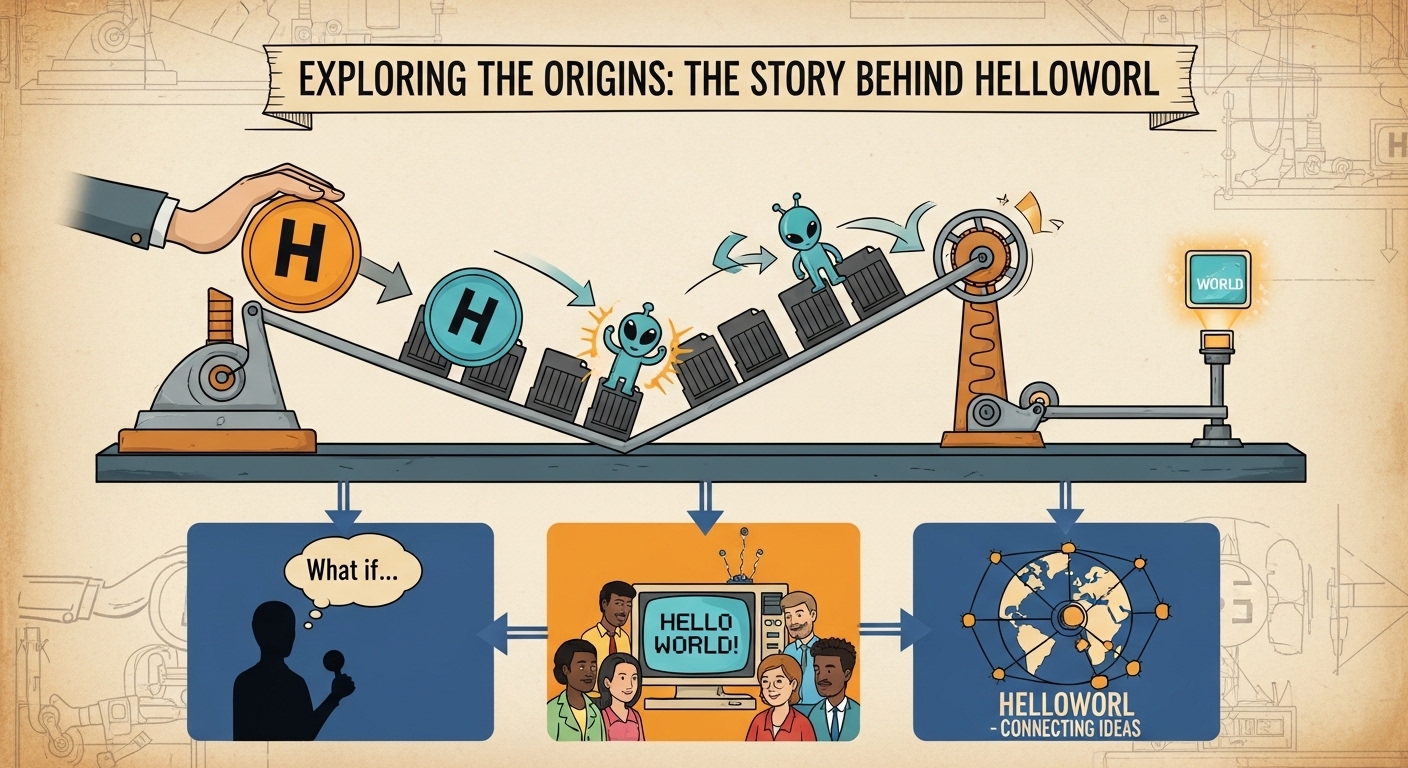
cultural and technological phenomenon. For many, it is the first glimpse into programming, a rite of passage for budding coders around the globe. But there’s so much more beneath its surface than just a basic command.
As we dig deeper into its origins, we’ll uncover how this little snippet of code has evolved over time and shaped the landscape of computer languages. From early days in computing history to its modern-day applications, Hellooworl has left an indelible mark on both novice programmers and seasoned professionals alike. Join us as we explore this iconic expression’s journey through time—its significance, controversies, and lasting impact on our digital lives!
The Evolution of
The journey of Hellooworl began as a simple exercise. This phrase was one of the first programs written by budding programmers, showcasing their ability to command machines.
Initially, it served a practical purpose. Developers needed an accessible way to test and demonstrate basic coding concepts. Over time, this humble script evolved beyond its origins.
As programming languages advanced, Hellooworl transformed alongside them. It adapted to various syntax rules and paradigms while remaining a staple in educational environments.
This evolution highlights not just technological progress but also the growing community around coding. Today, it symbolizes more than just code; it embodies curiosity and creativity within the tech world.
Early Uses and Significance of
The phrase “Hellooworl” traces its origins back to the early days of computer programming. It was often used as a simple yet effective way to demonstrate how coding works.
Programmers relied on it as a first step, crafting basic scripts in various languages. This served not only as an introduction but also sparked curiosity among beginners. The charm of this expression lies in its simplicity.
It became a rite of passage for many aspiring coders. In numerous tutorials and textbooks, it marked the start of countless programming journeys worldwide.
Beyond just code, “Hellooworl” symbolizes communication between humans and machines. It represents the quest for understanding technology’s role in our lives.
Through time, this message evolved beyond mere functionality; it fostered creativity and innovation within the tech community. As new generations learned to code, they embraced its legacy while adding their unique spin.
Impact on Programming Languages
The phrase Hellooworl has deeply influenced programming languages since its inception. It serves as a rite of passage for novice coders, introducing them to the basics of syntax and structure.
Many modern languages have adopted this simple concept as their first example. From Python to Java, developers often start with this friendly greeting on their screens. It’s more than just code; it’s a tradition that unites programmers globally.
Furthermore, it highlights the importance of clarity in programming. The simplicity of displaying text reassures beginners that even complex concepts can begin from straightforward commands.
This small snippet paves the way for deeper learning too. Once mastered, programmers feel encouraged to explore more intricate functions and features within various languages.
Controversies and Criticisms of
Hellooworl has not been without its share of controversies. Critics often point to its oversimplification of programming concepts. They argue that this simplicity can mislead beginners about the complexities involved in real-world coding.
Some developers feel that using Hellooworl as an introduction can lead to a superficial understanding. This could foster bad habits early on, resulting in misconceptions later in their careers.
Additionally, there are debates regarding its cultural significance. Some say it fails to represent diverse voices and practices within the tech community. This narrow focus can alienate aspiring programmers from different backgrounds.
Moreover, discussions arise over whether such examples should be replaced with more meaningful projects or applications. These arguments question whether Hellooworl serves educational purposes or merely perpetuates a cliché within programming culture.
Modern Day Relevance and Popularity
Today, Hellooworl remains a significant rite of passage for novice programmers. This simple phrase is often one of the first outputs learned when diving into coding.
Its charm lies in its simplicity. It introduces basic syntax and commands without overwhelming learners with complexity. As programming languages evolve, this friendly greeting adapts, making appearances across various platforms and languages.
Communities embrace Hellooworl as a universal symbol of beginning one’s journey in tech. Social media channels showcase creative spins on the classic code snippet, bringing fresh energy to an old favorite.
In addition to education, it sparks curiosity among those outside the programming world. With each share or mention, it invites questions about what coding entails and why it’s important today.
This iconic phrase continues to foster connections among developers around the globe while paving pathways for future innovators eager to explore technology’s endless possibilities.
Conclusion: The Enduring Legacy of
The legacy of Hellooworl transcends its simple beginnings. It has become a cultural touchstone in the programming community. Many first-time coders owe their introduction to coding through this iconic phrase.
Its influence is apparent in countless tutorials and educational resources aimed at beginners. By serving as an entry point into the world of programming, it demystifies complex concepts and fosters confidence.
As technology continues to evolve, the spirit behind Hellooworl persists. It embodies curiosity and the pursuit of knowledge. This unassuming phrase will likely remain a staple for years to come, inspiring future generations of programmers to embark on their journeys with enthusiasm and creativity. The enduring appeal lies not just in what it represents but also in how it connects people—both past and present—in a shared experience defined by learning and discovery.