
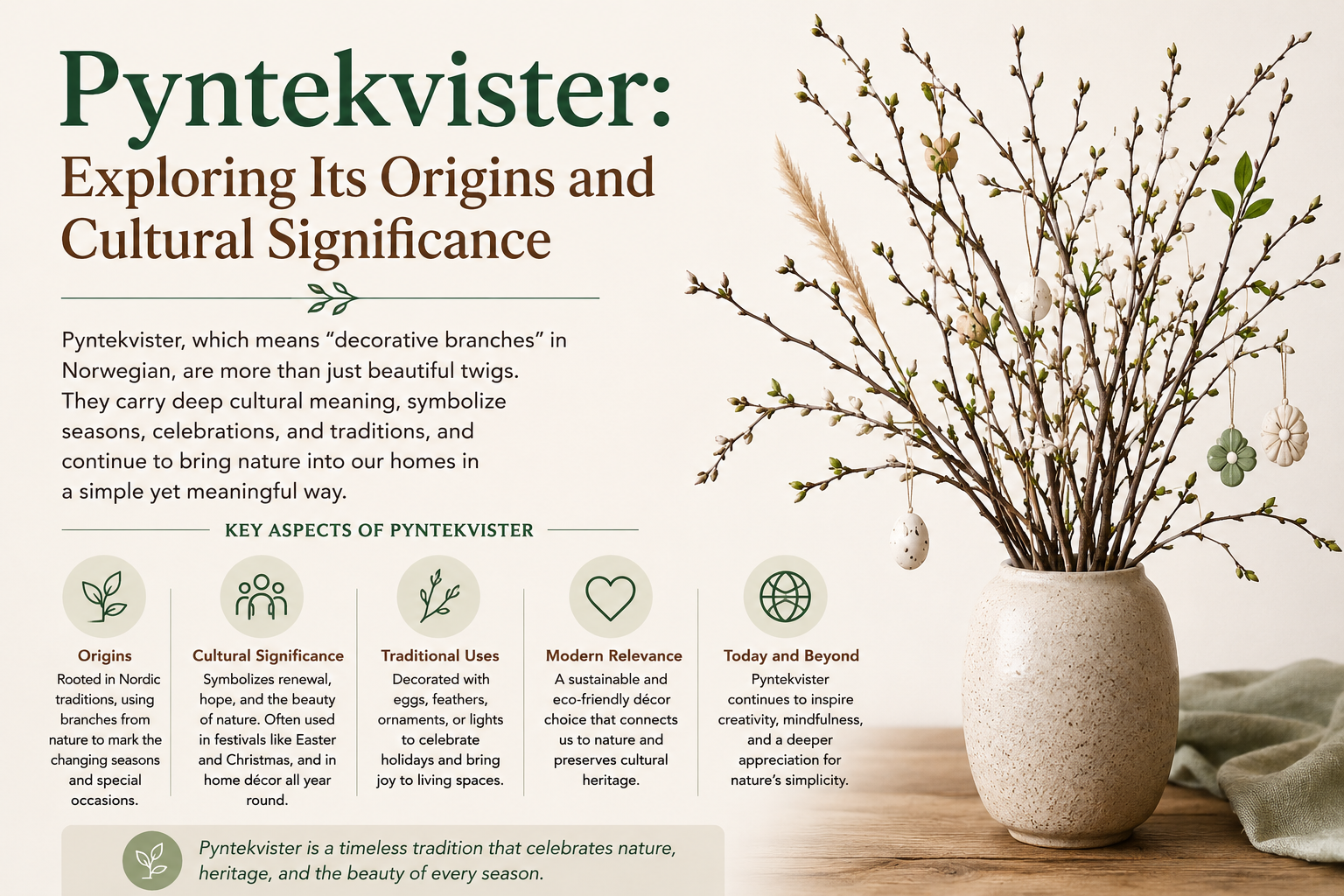
Pyntekvister are more than just decorative pieces; they’re a vibrant expression of culture, history, and creativity. These enchanting handcrafted ornaments capture the essence of tradition while weaving in modern aesthetics. If you’ve ever been captivated by intricate designs that tell a story, then you’re in for a treat. Join us on this journey as we delve into the origins of Pyntekvister, explore their cultural significance, and discover how you can bring these beautiful creations into your own home. Whether you’re an art enthusiast or simply curious about unique crafts, Pyntekvister will surely spark your imagination!
What are Pyntekvister?
Pyntekvister are traditional decorative ornaments, often crafted from natural materials like wood or paper. Their vibrant colors and intricate designs make them eye-catching additions to any space.
These unique creations are typically adorned with elaborate patterns inspired by nature and folklore. Each piece reflects the artisan’s skill, showcasing a blend of creativity and cultural heritage.
Originating from Scandinavian countries, Pyntekvister have evolved over time yet retain their charm. They serve not only as decor but also carry stories passed down through generations.
Traditionally displayed during festive occasions, these decorations bring warmth and joy into homes. Today, Pyntekvister continue to inspire artists around the world as they embrace both tradition and modern design elements.
History and Origins of Pyntekvister
The history of Pyntekvister stretches back centuries, deeply rooted in Scandinavian culture. These decorative pieces emerged primarily from the rural traditions of Norway and Sweden, where their vibrant colors and intricate designs tell stories of local heritage.
Originally crafted by hand, Pyntekvister were made using natural materials like twigs and branches. Artisans would weave them together during festive seasons or significant life events, such as weddings or harvests. This practice was not merely artistic; it symbolized community bonding.
As time progressed, these decorations evolved into symbols of identity within various regions. Each area developed its unique style, reflecting local customs and folklore. Today’s versions still honor those original techniques while incorporating modern aesthetics that appeal to contemporary tastes. The enduring charm of Pyntekvister lies in their ability to connect past traditions with present creativity.
Cultural Significance of Pyntekvister
Pyntekvister hold a special place in the cultural tapestry of various communities. Often associated with celebrations and seasonal festivals, they serve as symbols of joy and togetherness.
These decorative pieces are not merely ornamental; they tell stories that reflect the values and traditions of their creators. Each design often carries meanings tied to heritage, family bonds, or even local legends.
In many cultures, Pyntekvister are used during significant life events such as weddings or births. Their vibrant colors and intricate patterns evoke feelings of happiness and hope.
The act of crafting Pyntekvister also fosters community engagement. Families gather to create these decorations, passing down techniques from generation to generation. This practice reinforces connections between individuals while keeping cultural narratives alive.
Through their beauty and craftsmanship, Pyntekvister encapsulate the essence of shared history. They remind us that art can transcend time-boundaries while celebrating communal identities.
Traditional Uses of Pyntekvister
Pyntekvister, often intricately woven from natural materials, hold a cherished place in various traditions. Historically, these decorative pieces were crafted for celebrations and significant life events.
During harvest festivals, they adorned homes to invite prosperity and good fortune. The intricate patterns symbolized the connection between nature and community well-being.
In weddings, Pyntekvister served as symbols of unity and fertility. Families would create personalized designs reflecting their values and hopes for the couple’s future.
Additionally, children used them in traditional games or storytelling sessions. This fostered creativity while passing down folklore through generations.
Their versatility extended beyond decor; some cultures utilized Pyntekvister in rituals to honor ancestors or mark seasonal changes. Each piece became a tangible link to heritage, preserving stories within its fibers.
Modern Applications and Trends
Today, Pyntekvister are experiencing a resurgence in popularity. Designers and artists are reinterpreting traditional methods to create modern interpretations that appeal to younger audiences.
With the rise of sustainable living, many people are turning to natural materials for their Pyntekvister creations. Recycled paper, organic fabrics, and eco-friendly dyes are trending choices. This not only honors tradition but also aligns with contemporary values.
Social media platforms play a significant role in this revival. Instagram and Pinterest showcase countless DIY projects featuring these decorative pieces. Craft enthusiasts share their own unique twists on classic patterns.
Pyntekvister have also found their way into home decor trends. They adorn walls as vibrant art pieces or serve as centerpieces at events like weddings and parties. Their versatility makes them suitable for both rustic charm and modern aesthetics alike.
Moreover, workshops dedicated to creating Pyntekvister have popped up worldwide, attracting both novices and experienced crafters eager to learn the craft’s nuances.
How to Make Your Own Pyntekvister Decorations
Creating your own Pyntekvister decorations can be a delightful experience. Start by gathering materials like colorful paper, scissors, and glue. You’ll also need some string or twine to give your creations that authentic touch.
Begin by cutting the paper into various shapes—think stars, hearts, or traditional motifs. The beauty of Pyntekvister lies in their intricate designs and vibrant colors. Experiment with layering different patterns for added depth.
Once you have your shapes ready, assemble them on the string, spacing them out evenly. This is where you can let your creativity shine! Consider adding beads or small bells between each shape for extra flair.
Don’t forget about placement! Hang your finished pieces in windows, doorways, or even from ceiling hooks to catch the light beautifully. Your handmade Pyntekvister will surely bring life to any space while honoring this cherished tradition.
Conclusion
Pyntekvister are more than just decorative items; they represent a rich tapestry of history and culture. From their origins rooted in Scandinavian traditions to contemporary interpretations, these unique creations have held significance for generations.
Their cultural importance is evident in how they bring communities together during celebrations and festivals. Traditional uses often reflect the changing seasons, showcasing nature’s beauty through vibrant designs. While modern applications continue to evolve, the essence of pyntekvister remains intact, blending old customs with new ideas.
For those interested in crafting their own pyntekvister decorations, there are numerous resources available that can guide you through the process. Whether for personal use or as gifts, creating your own pieces not only fosters creativity but also deepens appreciation for this art form.
As we look at the future of pyntekvister, it’s clear that this tradition will endure. Its ability to adapt while retaining its roots ensures that it will remain relevant in an ever-changing world. Engaging with allows us to connect with our heritage and celebrate life’s moments—big or small—through artistry and expression.