
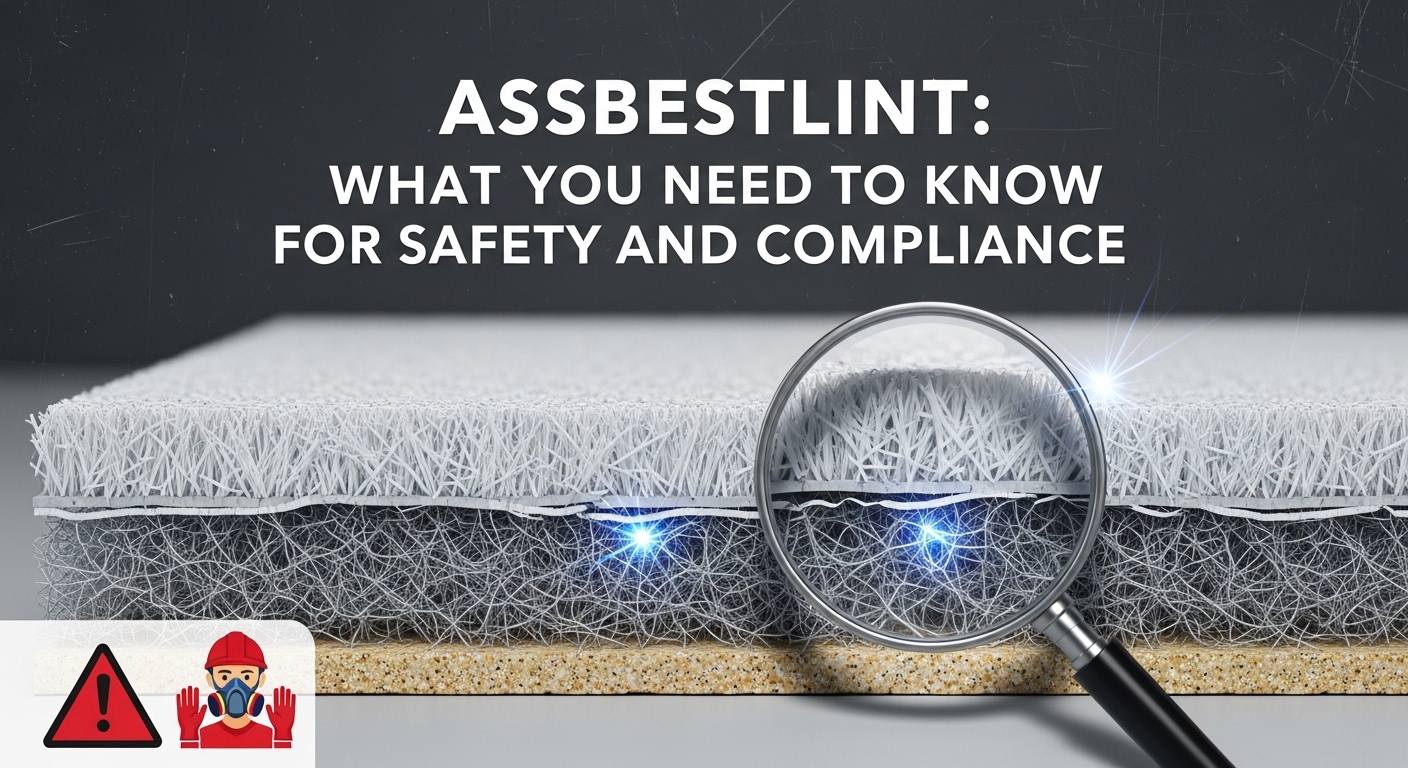
Asbestlint, a term that might not ring a bell for everyone, is an important topic when it comes to safety and compliance. This seemingly innocuous material has been used in various industries due to its durability and heat resistance. However, lurking beneath its beneficial qualities are serious health risks that demand our attention. Understanding asbestlint—and the dangers associated with it—can help protect you and those around you from potential harm.
Navigating the world of asbestlint requires awareness of regulations, safe handling practices, and alternative materials. Whether you’re a homeowner considering renovations or a contractor on the job site, having knowledge about asbestlint can make all the difference in ensuring safety first. Let’s dive into what you need to know about this hazardous material so you can be informed and compliant.
The Dangers of Asbestlint Exposure
Asbestlint poses significant health risks that cannot be overlooked. When disturbed, the fibers become airborne, leading to inhalation and exposure. This is where danger lurks.
Prolonged contact with asbestlint can result in severe respiratory issues. Asbestos-related diseases such as asbestosis and mesothelioma may develop years after initial exposure. Symptoms often remain hidden until they reach advanced stages.
Beyond lung problems, there are potential effects on other organs too. The body struggles to eliminate asbestos fibers once inhaled, causing long-term harm.
Even minimal exposure can trigger a chain reaction of health concerns down the line. It’s crucial to treat any interaction with this material with utmost seriousness and caution. Awareness is key in preventing these life-altering consequences associated with asbestlint exposure.
Laws and Regulations for Handling Asbestlint
Laws surrounding asbestlint are stringent, reflecting the serious health risks associated with asbestos exposure. Various countries have established regulations that govern its use, removal, and disposal.
In many regions, handling asbestlint requires specific licenses and training. Companies must ensure their employees understand safety protocols to minimize risk during renovations or demolitions.
Documentation is crucial. Any work involving asbestlint typically necessitates detailed records of inspection results and removal procedures. These documents help maintain compliance with local environmental laws.
Penalties for non-compliance can be severe. Fines or legal action may follow if proper measures aren’t taken to handle this hazardous material responsibly.
Staying informed about current legislation is essential for both professionals in the industry and homeowners tackling DIY projects involving older buildings potentially containing asbestlint.
Safe Removal and Disposal Procedures
When dealing with asbestlint, safety is paramount. Begin by wearing appropriate personal protective equipment (PPE), including respirators, gloves, and disposable coveralls. This gear minimizes the risk of exposure to harmful fibers.
Before removal starts, seal off the work area using plastic sheeting. This prevents contamination of surrounding spaces. Keep windows closed and ensure proper ventilation if possible to reduce airborne particles.
Carefully remove the asbestlint without breaking it apart to limit fiber release into the air. Use hand tools rather than power tools for cutting or handling whenever feasible.
Once removed, place all materials in clearly labeled asbestos waste bags or containers designed for hazardous materials. Ensure they are tightly sealed before transporting them to a licensed disposal facility that complies with local regulations regarding hazardous waste management.
Document each step taken during removal and disposal; this can help maintain compliance and serve as proof of safe handling practices if needed later on.
How to Identify and Test for Asbestlint
Identifying asbestlint can be tricky since it often resembles regular insulation materials. Look for a grey or white fibrous texture, typically found in older buildings. If you’re unsure, call in professionals who specialize in asbestos identification.
Testing is crucial before any renovation. DIY kits are available for sampling, but professional testing is recommended for accuracy and safety. These experts will analyze the material in a lab setting, ensuring reliable results.
Always wear protective gear when handling suspected samples to avoid inhaling fibers. Seal samples tightly and follow local regulations regarding disposal if you suspect asbestlint presence.
Remember that even minor disturbances to asbestlint can release harmful particles into the air. Taking these precautions seriously is essential when dealing with potential asbestos materials around your home or workplace.
Alternatives to Using Asbestlint
When considering alternatives to asbestlint, several safer options exist. One popular substitute is fiberglass tape. It offers excellent thermal insulation without the harmful effects associated with asbestos.
Another viable choice is cellulose-based products. These materials provide effective sealing and insulation while being environmentally friendly.
For those in construction or renovation, consider using synthetic sealants designed for high-temperature applications. They can effectively replace traditional asbestlint while ensuring safety and compliance.
Advanced foam insulators are gaining traction in various industries. Their versatility makes them ideal for both residential and commercial projects.
Switching to these alternatives not only promotes a healthier workplace but also helps avoid the legal complexities tied to handling asbestos-containing materials.
Importance of Properly Handling Asbestlint for Safety and Compliance
Properly handling asbestlint is crucial for ensuring the safety of everyone involved. Exposure to asbestos can lead to serious health issues, including lung disease and cancer. By following proper protocols, you minimize these risks significantly.
Compliance with local regulations is equally important. Many jurisdictions have strict laws governing the removal and disposal of asbestlint. Non-compliance can result in hefty fines or legal consequences.
Training personnel in safe handling practices adds another layer of protection. Knowledgeable workers are more likely to follow safety procedures diligently.
Moreover, maintaining a clean work environment prevents contamination spread. Proper containment measures help keep both workers and surrounding communities safe from potential exposure.
The importance of vigilant management cannot be overstated. Prioritizing safety and compliance protects lives while promoting responsible working conditions.
Conclusion
Asbestlint, or asbestos tape, is a material that has been widely used in construction and insulation. Understanding its dangers and the regulations surrounding it is crucial for anyone working with or around this substance. The risks of exposure to asbestlint are serious, leading to severe health issues such as lung cancer and mesothelioma.
Compliance with laws regarding its handling ensures not only your safety but also the safety of others. Safe removal and disposal procedures are essential for mitigating risks associated with asbestlint exposure. Identifying and testing for this hazardous material can prevent accidental inhalation of harmful fibers.
Alternatives to asbestlint exist that provide safer options without compromising quality. Emphasizing proper handling techniques protects both workers and occupants from potential hazards linked to asbestos.
Taking proactive steps toward understanding asbestlint will ensure better safety measures are implemented in any environment where this material may be present. By prioritizing education on these topics, individuals can contribute significantly to workplace compliance and overall public health.